

What Chimney Sweeps Look for During Inspections
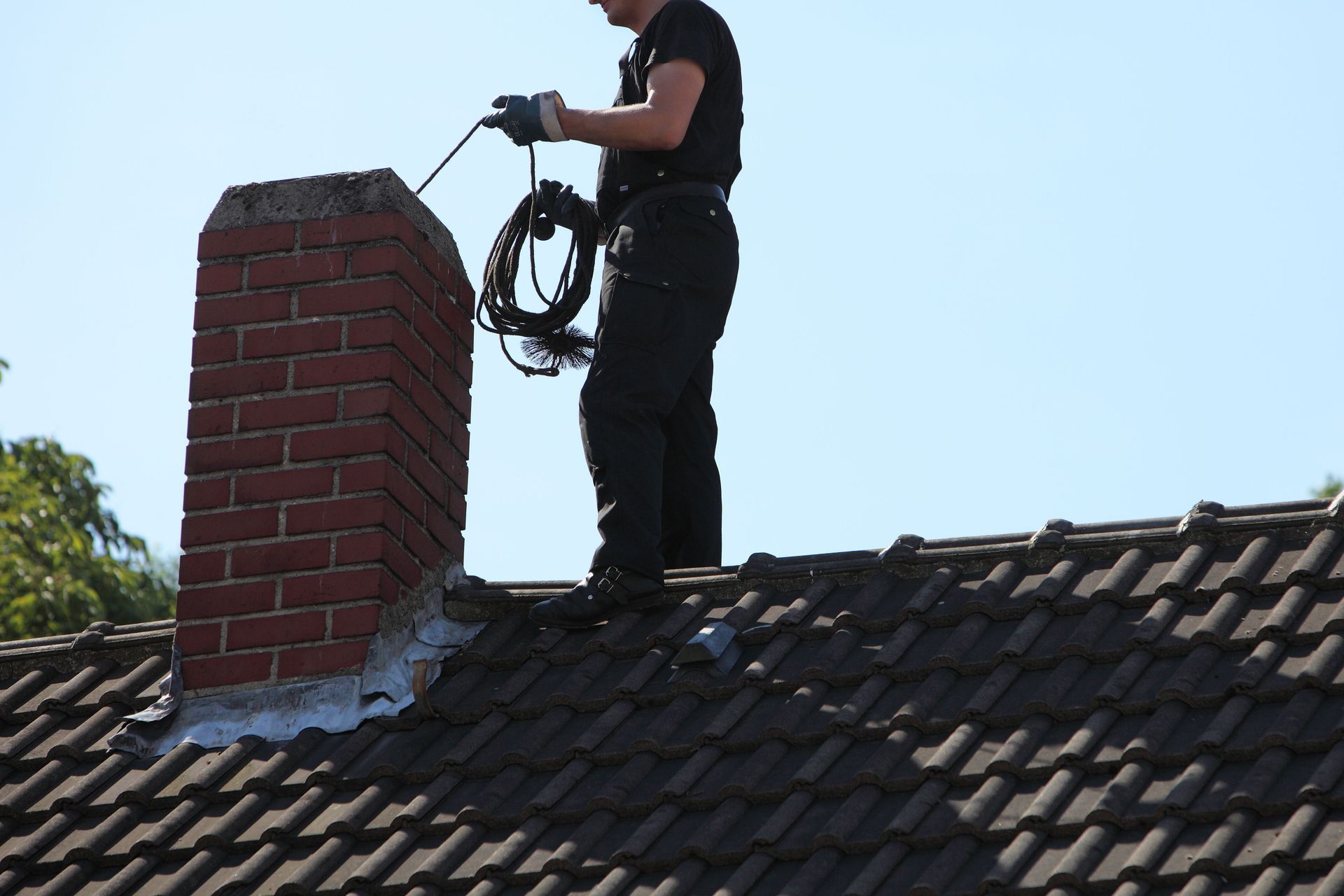
This article explores the essential elements of chimney inspections performed by professional chimney sweeps. These inspections are critical for maintaining safety, preventing fire hazards, and ensuring efficient fireplace operation. A well-maintained chimney not only offers a warm ambiance but also ensures that the structural integrity of your home is protected from potential hazards. Chimney maintenance can also contribute to energy efficiency, helping to reduce heating costs. Regular checks can also keep unpleasant odors and drafts at bay, making your home environment more comfortable. Scheduling routine inspections helps homeowners identify potential problems early and maintain a dependable heating system throughout the colder months.
Identify and Remove Dangerous Creosote Buildup
One of the primary concerns during a chimney inspection is the accumulation of creosote. This tar-like substance builds up inside the chimney flue as a result of burning wood. Over time, it thickens and becomes highly combustible. Professional chimney sweeps are trained to identify and remove excessive creosote to mitigate fire risks. Failure to address creosote buildup can lead to reduced indoor air quality, affecting health and breathing comfort. Removing it can also enhance the efficiency of heat transfer, ensuring you get better use of your fuel. The amount of buildup often depends on burning habits, wood moisture levels, and the effectiveness of the chimney's ventilation.
According to Bob Vila, chimney fires result in more than $125 million of property damage each year in the U.S. Such fires are often attributed to significant creosote buildup, underscoring the importance of regular inspections. Experienced chimney sweeps use specialized tools to measure the thickness of creosote and scrape away accumulated layers before they can ignite and cause widespread damage. In severe cases, they may recommend using a chemical treatment to safely dissolve stubborn residues. Regular cleaning helps reduce the risk of chimney deterioration, preserving it for future use. A professional assessment can also determine how frequently your chimney needs cleaning based on its condition and usage.
Clear Chimney Blockages and Prevent Animal Intrusion
Blockages in the chimney shaft cause another significant set of safety concerns. Foreign debris like leaves, twigs, or even decayed bricks can obstruct the flow of smoke and gases, causing them to back up into the living space. Chimney sweeps ensure that the passage is clear to prevent dangerous air quality issues in the home. Clearing these blockages also ensures proper ventilation, which is crucial for efficient combustion. Maintaining clear passages further prevents any back-drafting that can draw smoke into living spaces. Removing obstructions also helps reduce the risk of harmful combustion gases entering the home.
Additionally, nests built by animals such as birds or squirrels can also create blockages. These obstructions can be a fire hazard as they increase smoke accumulation. During inspections, chimney sweeps remove any such nests and check for evidence of animal intrusion. By doing so, they safeguard the home environment and prevent potential health risks associated with poor air circulation. They may also recommend installing a chimney cap to deter animals in the future. Addressing these issues early can prevent more extensive damage and ensure continued safety. Homeowners should also watch for unusual sounds or debris near the fireplace that could indicate animal activity.
Inspect the Chimney Liner for Damage
The chimney liner serves as a protective barrier between the chimney's hot gases and the home's materials. Over time, thermal stress, moisture, and creosote can deteriorate this liner, leading to cracks and gaps. A compromised chimney liner can allow heat and combustible gases to escape, posing a fire hazard. Inspecting this component ensures that it maintains its effectiveness in channeling smoke and gases outside. Regular maintenance of the liner can extend its life, delaying the need for complete replacement. Detecting damage early can also help prevent smoke leaks and protect nearby building materials from excessive heat exposure.
Chimney sweeps are skilled in identifying wear and tear or damage to this crucial component of a fireplace system. Whether the liner needs patching or replacement, chimney sweeps provide the expertise to undertake these necessary repairs, ensuring the safety of the household and efficiency in smoke and gas expulsion. They might also inspect for signs of corrosion in metal liners, which can compromise their integrity. Maintaining the liner's condition is essential for optimal fireplace performance and safety. Depending on the extent of the damage, a professional may recommend a more detailed inspection to determine the most appropriate repair method.
Examine the Chimney Cap and Crown for Wear
The chimney cap and crown are external structures designed to protect the chimney from elements like rain, snow, and debris. Caps or crowns with damage can result in water leaks, which lead to structural weakening and mold growth in the home. Regular inspections ensure that these components remain intact and functional. Intact caps and crowns reduce the risk of structural freeze-thaw damage during colder months. Additionally, they play a key role in preventing downdrafts that can cause smoke to enter the home. Keeping these protective features in good condition helps preserve the masonry and prevent avoidable weather-related deterioration.
Chimney sweeps check these structures for cracks, rust, etc. A sound chimney cap and crown prevent moisture ingress and animal intrusion, thereby prolonging the life of the chimney system. The maintenance of these elements is a crucial aspect of preventing water-related damage and ensuring the long-term durability of the chimney. By preventing moisture penetration, they also help maintain the efficiency of the chimney's heating capabilities. Regular repair work can prevent costly restorations and prolong the life of the chimney. Replacing damaged components promptly can also reduce the likelihood of leaks spreading into ceilings, walls, and other nearby areas.
Test the Flue Damper for Proper Operation
The flue damper is responsible for controlling the draft in a chimney. When the fireplace is not in use, the damper should be closed to prevent heat loss. During use, the damper regulates airflow and smoke expulsion. A damper in poor condition can lead to inefficient burning and increased energy costs due to heat loss. Properly maintaining the flue damper enhances not just efficiency but also the overall safety in case of accidental fires. Regular servicing of the damper can also reduce unwanted noise from wind infiltration, enhancing home comfort. A properly functioning damper also helps prevent cold outdoor air from entering the home when the fireplace is not being used.
Proper inspection of the flue damper involves checking its movement and sealing performance. Chimney sweeps assess the damper's integrity, ensuring that it opens and closes as required. By adjusting or repairing the damper, sweeps help improve energy efficiency, reduce fuel costs, and maintain appropriate airflow during fireplace use. Having a fully functional damper can reduce drafts and help maintain steady indoor temperatures. This inspection also ensures you're getting maximal warmth from each fire, optimizing your fuel usage. If a damper is stuck or damaged, a chimney sweep can recommend suitable repairs to restore its performance.
Routine chimney inspections by professional chimney sweeps are vital for the safety and longevity of your fireplace system. These inspections address common issues such as creosote accumulation, blockages, liner damage, and component wear, which, if left unattended, can pose serious safety risks. Addressing issues proactively can prevent costly repairs and ensure a safe environment for your home. Timely inspections can also reduce unexpected downtime, ensuring your fireplace is always ready when you need it. Emphasizing prevention, these inspections ensure minor problems do not escalate into major repairs or replacements. Scheduling professional service before the heating season begins can help ensure your chimney is ready for safe and reliable use. Reach out to John Budd's Chimney Service, LLC to learn more about our services today.


Share On: